Robocalls are a widespread issue in Washington state, prompting recourse to the Telephone Consumer Protection Act (TCPA). This law restricts automated calls unless prior consent is given. Consumers can reclaim control by recognizing patterns, documenting interactions, and taking proactive measures like registering on Do Not Call lists and using call-blocking apps. Consulting a lawyer for TCPA Washington is crucial for navigating violations, filing complaints, and protecting rights against unwanted calls, especially with the high volume of robocalls nationwide.
In today's digital era, robocalls have become a pervasive nuisance, with Washington residents often finding themselves on the receiving end of unwanted automated calls. This growing concern has significant implications for consumer privacy and protection, underscoring the need to educate oneself about the laws governing these calls, particularly the Telephone Consumer Protection Act (TCPA). As these automated messages can be a complex legal issue, understanding your rights and responsibilities is crucial. This article aims to serve as a comprehensive guide, empowering individuals to navigate this landscape and providing valuable insights on how to effectively manage and protect against robocalls in Washington, with expert advice from a lawyer specializing in TCPA Washington laws.
Understanding Robocalls and TCPA Washington
Robocalls have become a ubiquitous part of modern life, with many Americans receiving automated calls daily. In Washington state, as across the nation, these calls are regulated by the Telephone Consumer Protection Act (TCPA). Understanding the TCPA and its implications for robocalls is crucial for consumers and businesses alike. The law was designed to protect individuals from unwanted phone marketing practices, ensuring their privacy and autonomy.
The TCPA places significant restrictions on automated calling campaigns, prohibiting calls using prerecorded or artificial voices unless the caller obtains prior express consent from the recipient. This legislation has led to a surge in consumer complaints regarding robocalls, with many Washington residents seeking recourse for nuisance and invasion of privacy. A recent study by the Federal Communications Commission (FCC) revealed that over 40 billion robocalls were placed in the United States last year, highlighting the urgent need for consumers to educate themselves on their rights under the TCPA.
Engaging a lawyer specializing in TCPA Washington can be invaluable for navigating this complex legal landscape. These legal experts have an in-depth understanding of state and federal regulations, enabling them to guide clients on how to deal with unwanted robocalls effectively. They can assist in filing complaints, negotiating settlements, or even representing clients in court to ensure their rights are upheld. By empowering individuals and businesses with knowledge about the TCPA, Washington residents can take proactive steps to mitigate the impact of robocalls and reclaim control over their phone communications.
Recognizing Unlawful Calling Practices
Recognizing unlawful calling practices is a crucial step in protecting yourself from robocalls in Washington. These automated calls, often advertising products or services, can be intrusive and misleading. One common tactic used by unscrupulous callers is to bypass Do Not Call lists, making their calls appear legitimate. It's essential to understand that many of these calls are illegal under the Telephone Consumer Protection Act (TCPA). For instance, robocalls made without prior express consent from recipients are a clear violation. According to recent data, millions of Americans receive unwanted robocalls daily, with some estimates suggesting up to 40% of all phone calls in certain areas being non-consensual.
A lawyer specializing in TCPA Washington can offer invaluable guidance on identifying and documenting these violations. They advise consumers to pay close attention to call patterns: repeated calls from unknown numbers, calls that hang up immediately upon answering, or messages left by automated systems should raise suspicion. Additionally, listening for pressure tactics, such as urgent claims of limited-time offers or threats of legal action, are red flags indicative of potential fraud. It's crucial to document these interactions, including call times and any recorded conversations, as evidence in the event of a complaint.
When faced with frequent robocalls, taking proactive measures can significantly reduce unwanted contact. Consumers can register their numbers on national Do Not Call lists and specific state registries, like the Washington Do Not Call Registry. Engaging with callers to assert your right to be left alone may also deter persistent robocallers. Moreover, utilizing call-blocking apps or software designed to filter out automated calls can provide immediate relief. By combining these strategies and staying informed about legal protections offered by the TCPA, individuals in Washington can reclaim control over their phone lines and enjoy greater peace of mind.
Your Rights Under Telemarketing Laws
In Washington state, consumers have certain rights when it comes to telemarketing calls, also known as robocalls. The Telephone Consumer Protection Act (TCPA) of 1973 is a federal law that regulates these automated calls and grants recipients substantial protections. Understanding your rights under this legislation is crucial, especially with the prevalence of unwanted robocalls. One important aspect to grasp is that you have the legal right to seek redress if you receive these calls in violation of the TCPA.
Washington's Attorney General's Office actively enforces telemarketing laws, and consumers can file complaints against companies making unauthorized or harassing calls. If you've been a victim of robocalls, taking action could involve contacting a lawyer for TCPA Washington who specializes in such cases. These legal professionals can guide you through the process of filing a complaint, helping to stop the unwanted calls and potentially obtain monetary damages. The TCPA allows for individuals to receive up to $500 per violation, making it a powerful tool against aggressive telemarketers.
Practical steps include keeping a detailed log of suspicious calls, including dates, times, call sources, and any recorded messages. This documentation can be invaluable if you decide to pursue legal action. Additionally, many consumer protection organizations offer resources and support for managing robocalls. By staying informed and proactive, Washington residents can better protect themselves from intrusive telemarketing practices.
Taking Action: What to Do About Robocalls
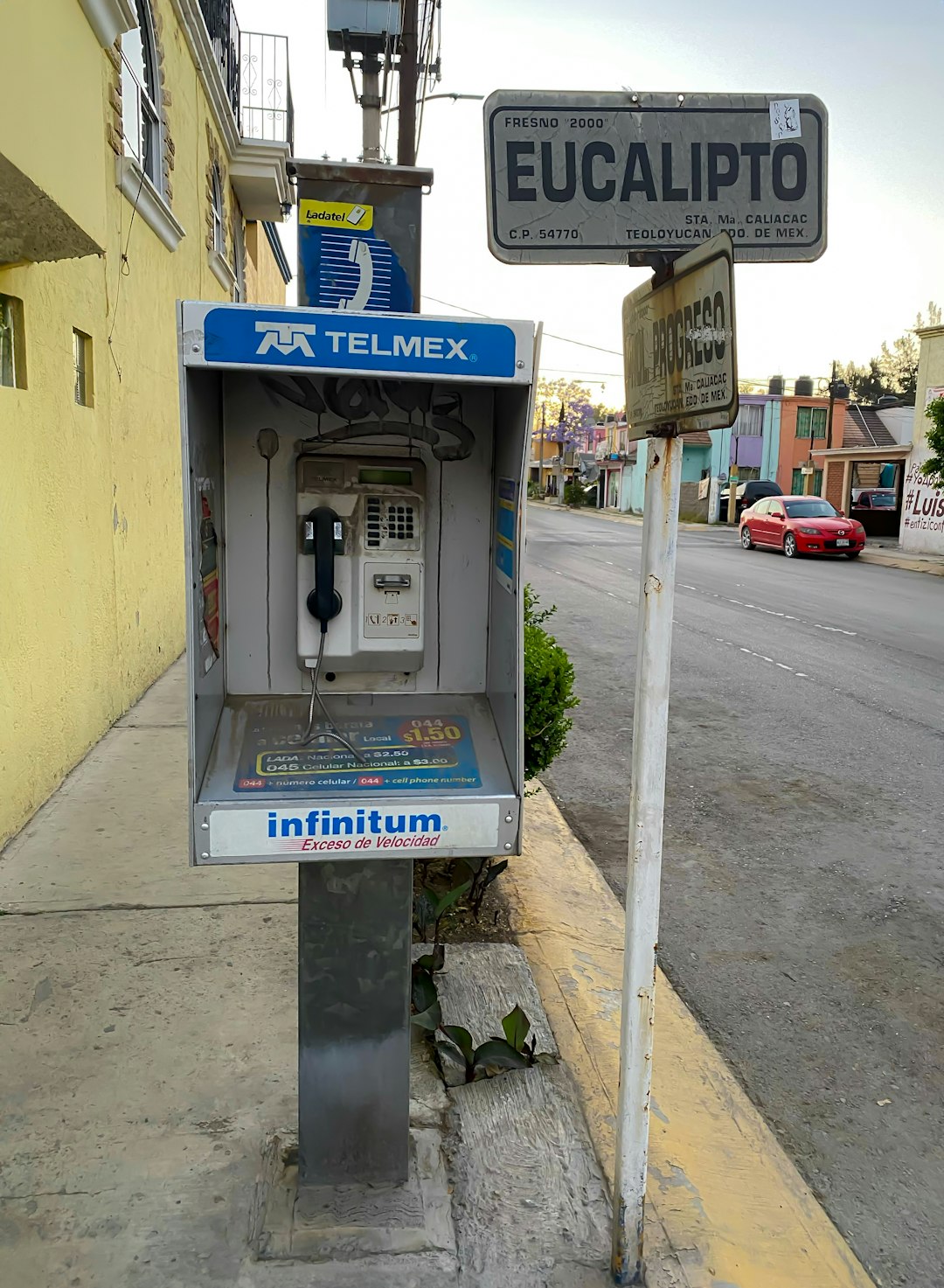
In Washington state, robocalls remain a persistent nuisance, with nearly 80% of residents reporting receiving unwanted automated calls on their landlines or cell phones. While some calls offer valuable information, many are from telemarketers, scammers, or debt collectors, leading to consumer frustration and potential harm. Taking action against these intrusive calls is not only a personal choice but also an important step in protecting your privacy and financial security.
One effective strategy involves educating yourself about the Telephone Consumer Protection Act (TCPA), a federal law designed to curb abusive phone marketing practices. Understanding your rights under this legislation can empower you to take significant steps against robocalls. If you've received a call that violates TCPA regulations, document the incident meticulously, including the caller's number, message content, and date/time of the call. This evidence is invaluable if you decide to file a complaint with Washington state regulators or consult with a lawyer for TCPA Washington to explore legal options.
Additionally, enrolling in the National Do Not Call Registry is a crucial step. While it doesn't guarantee a complete stop to robocalls, it does block most telemarketers from calling your number. The registry is free and easy to access online or by phone. Moreover, many phone companies offer call-blocking features that can automatically filter out known robocallers. Combining these practical measures with legal awareness provides a multi-layered defense against unwanted calls, ensuring you maintain control over your communication channels.
Seeking Legal Advice from a TCPA Attorney Washington
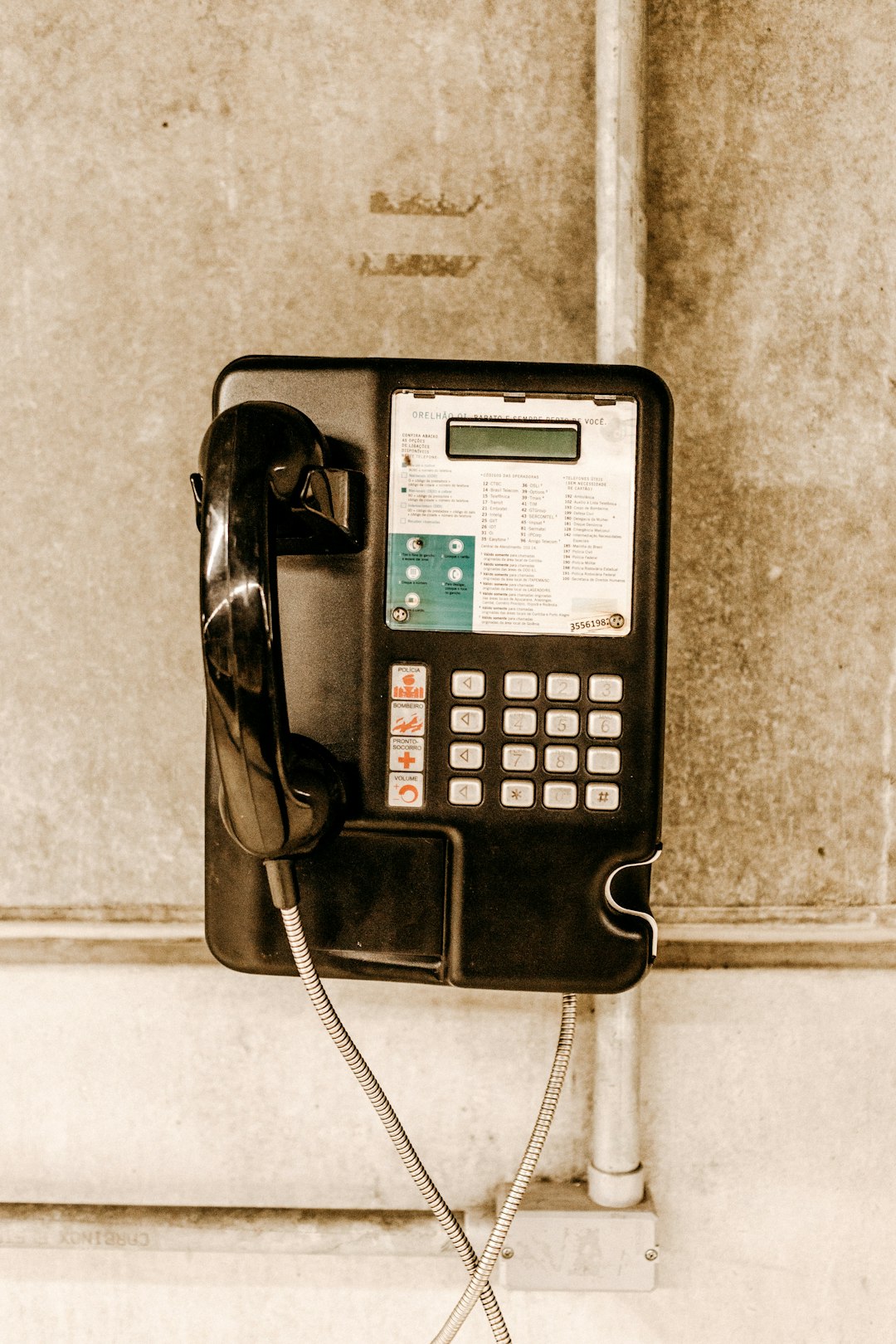
Understanding your rights regarding robocalls is essential, especially with the sheer volume of automated calls many Washington residents receive daily. If you're concerned about these calls or believe your privacy has been invaded, seeking legal counsel from a TCPA (Telemarketing Consumer Protection Act) attorney in Washington is a crucial step. The TCPA Attorney Washington specializes in consumer protection law and can guide you through the complexities of this federal legislation. They will help determine if a particular call violates your rights and advise on the best course of action.
In 2022, the Federal Communications Commission (FCC) reported over 47 billion robocalls made across the country, with Washington experiencing no shortage of these unwanted communications. Many of these calls are for marketing purposes and can be traced to businesses not adhering to TCPA guidelines. A lawyer for TCPA Washington can assist in identifying potential violators and pursuing legal action if necessary. They will help you navigate the process, which may include filing a complaint with the FCC or seeking damages through litigation. The attorney will ensure your rights are protected and educate you on effective strategies to minimize future robocalls.
One of the key roles of a TCPA lawyer is to provide clarity in a complex legal landscape. They can explain different scenarios and offer tailored advice based on unique circumstances. For instance, they'll help distinguish between legitimate telemarketing calls and illegal robocalls, ensuring you're protected from financial loss or privacy invasion. With their expertise, you can take proactive measures to stop unwanted calls and, if warranted, hold perpetrators accountable.